Revolution in Solid-State Energy: MoS₂ Film Multiplies Anode-Free Battery Life by 7x
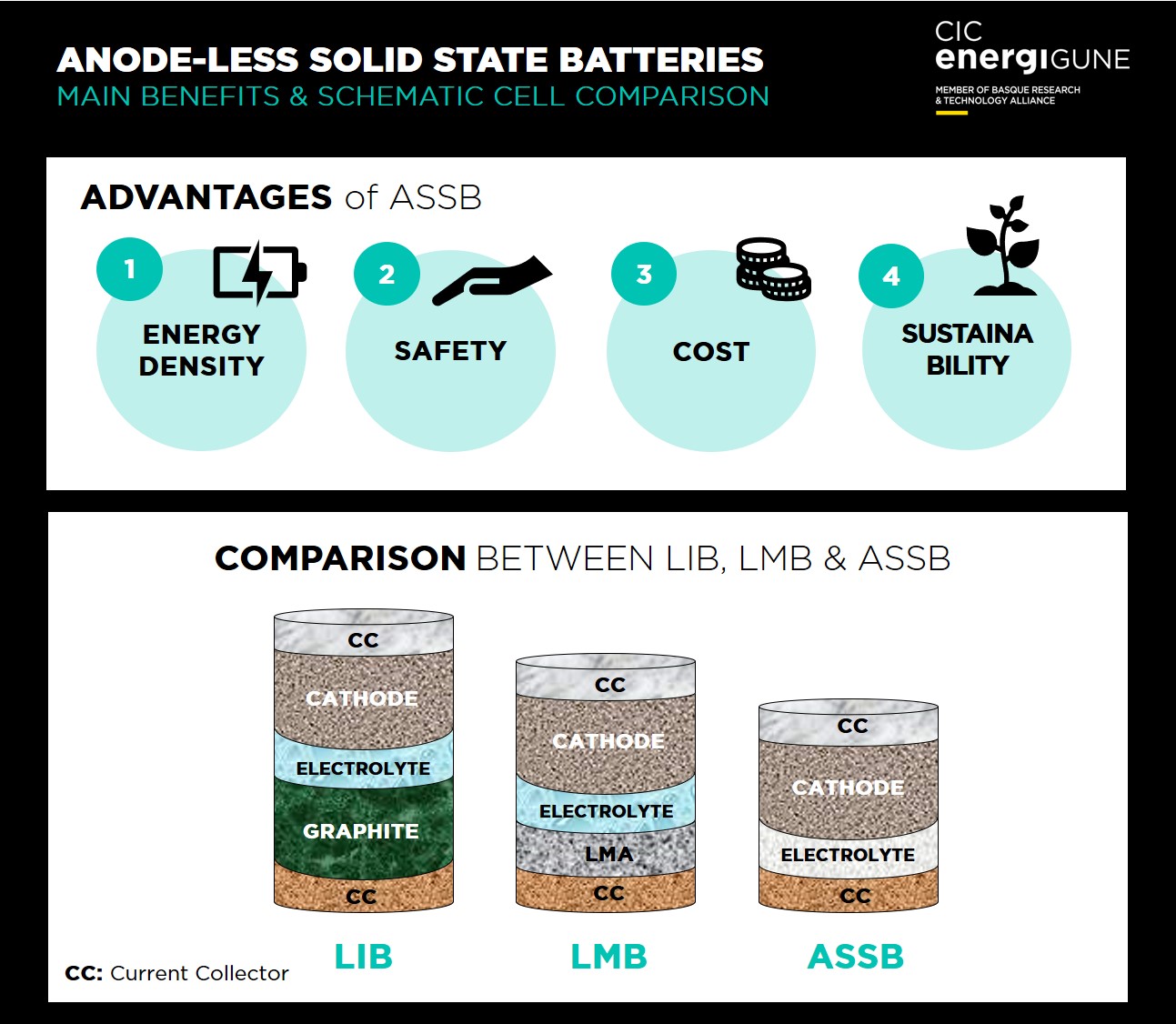
A transformative leap in battery science has emerged from South Korea, where researchers have unveiled a MoS₂ thin film coating that extends the life of anode-free all-solid-state batteries (AFASSBs) by an astonishing sevenfold. This breakthrough—led by scientists at the Korea Research Institute of Chemical Technology (KRICT)—addresses a key challenge in the evolution of safer, high-performance energy storage systems.
Published in Nano-Micro Letters and covered by Rude Baguette, the study paves the way for commercializing solid-state batteries that are lighter, more energy-dense, and dramatically more durable—without relying on costly noble metals like silver or indium.
Solid-State Safety Meets Scalability
Conventional lithium-ion batteries use flammable liquid electrolytes, increasing the risk of dendrite formation, internal short circuits, and thermal runaway. Solid-state batteries (SSBs) eliminate this risk by using solid-state electrolytes (SEs). Taking it a step further, AFASSBs remove the anode entirely—relying on lithium ions to plate directly onto the current collector during initial charging, increasing both energy density and space efficiency.
However, the Achilles heel of AFASSBs has been poor interfacial stability. Dendritic lithium deposits at the interface can quickly degrade battery life. Traditionally, silver or indium coatings were used to stabilize this interface, but they are expensive and unsustainable for mass adoption.
MoS₂: The 2D Game Changer
Researchers at KRICT applied molybdenum disulfide (MoS₂) nanosheets onto stainless steel current collectors using metal-organic chemical vapor deposition (MOCVD). MoS₂ is a versatile two-dimensional material known for its role in semiconductors, catalysis, and now—batteries.
This ultra-thin film undergoes a conversion reaction with lithium, forming lithium sulfide and molybdenum metal. This buffer layer improves lithium wettability and suppresses dendrite formation, extending battery lifespan. The MoS₂-coated AFASSBs ran for over 300 hours—a remarkable improvement over the 95 hours seen in uncoated versions.
Sevenfold Increase in Retention
In full-cell prototypes, the MoS₂-coated batteries exhibited a 1.18× boost in initial discharge capacity and a 7× improvement in capacity retention. These numbers are a resounding signal of readiness for scaling this technology beyond the lab and into commercial products.
Dr. Ki-Seok An and Dr. Dong-Bum Seo, the scientists behind the project, believe the technology could enter practical applications by 2032, with implications ranging from smartphones and drones to electric vehicles and grid-scale storage.
Future Outlook and Challenges
Though the promise is immense, transitioning from lab-scale prototypes to mass production introduces challenges like material consistency, large-scale uniform coating, and integration with existing battery supply chains. Compatibility with various cathode chemistries and regulatory frameworks will also play a pivotal role.
Nevertheless, this innovation represents a major step forward in sustainable battery design. As Dr. Young-Kuk Lee, president of KRICT, affirms, this is “a core next-generation technology” that could help revolutionize global energy systems.
Read the original article here: https://www.rudebaguette.com/en/2025/06/we-increased-battery-life-sevenfold-scientists-unveil-breakthrough-film-that-supercharges-anode-free-solid-state-technology/
Sponsored by PWmat (Lonxun Quantum) – a leading developer of GPU-accelerated materials simulation software for cutting-edge quantum, energy, and semiconductor research. Learn more about our solutions at: https://www.pwmat.com/en
📘 Download our latest company brochure to explore our software features, capabilities, and success stories: PWmat PDF Brochure

📞 Phone: +86 400-618-6006
📧 Email: support@pwmat.com


Comments
Post a Comment