Biodegradable Nanoparticles Open New Frontiers in Noninvasive Medical Treatments
By Quantum Server Networks – June 2025
In a breakthrough poised to revolutionize targeted medical therapies, researchers at Cornell University have developed an innovative method for noninvasive, localized heating of body tissues using biodegradable polymer nanoparticles. This approach leverages polylactic-co-glycolic acid (PLGA) particles filled with water to create a safe, tunable photothermal effect under near-infrared (NIR) light. Their findings could pave the way for safer neuromodulation techniques, precision cancer hyperthermia, and next-generation drug delivery systems.
From Space and Electronics to Biomedicine
The project was spearheaded by Zhiting Tian, Associate Professor of Mechanical and Aerospace Engineering at Cornell, whose prior work in nanoscale thermal transport has been applied to microelectronics and even space systems. Intrigued by a 2014 study that explored NIR-activated PLGA for drug release, Tian envisioned an entirely new biomedical direction: using water trapped inside these biodegradable polymers as heat-generating agents.
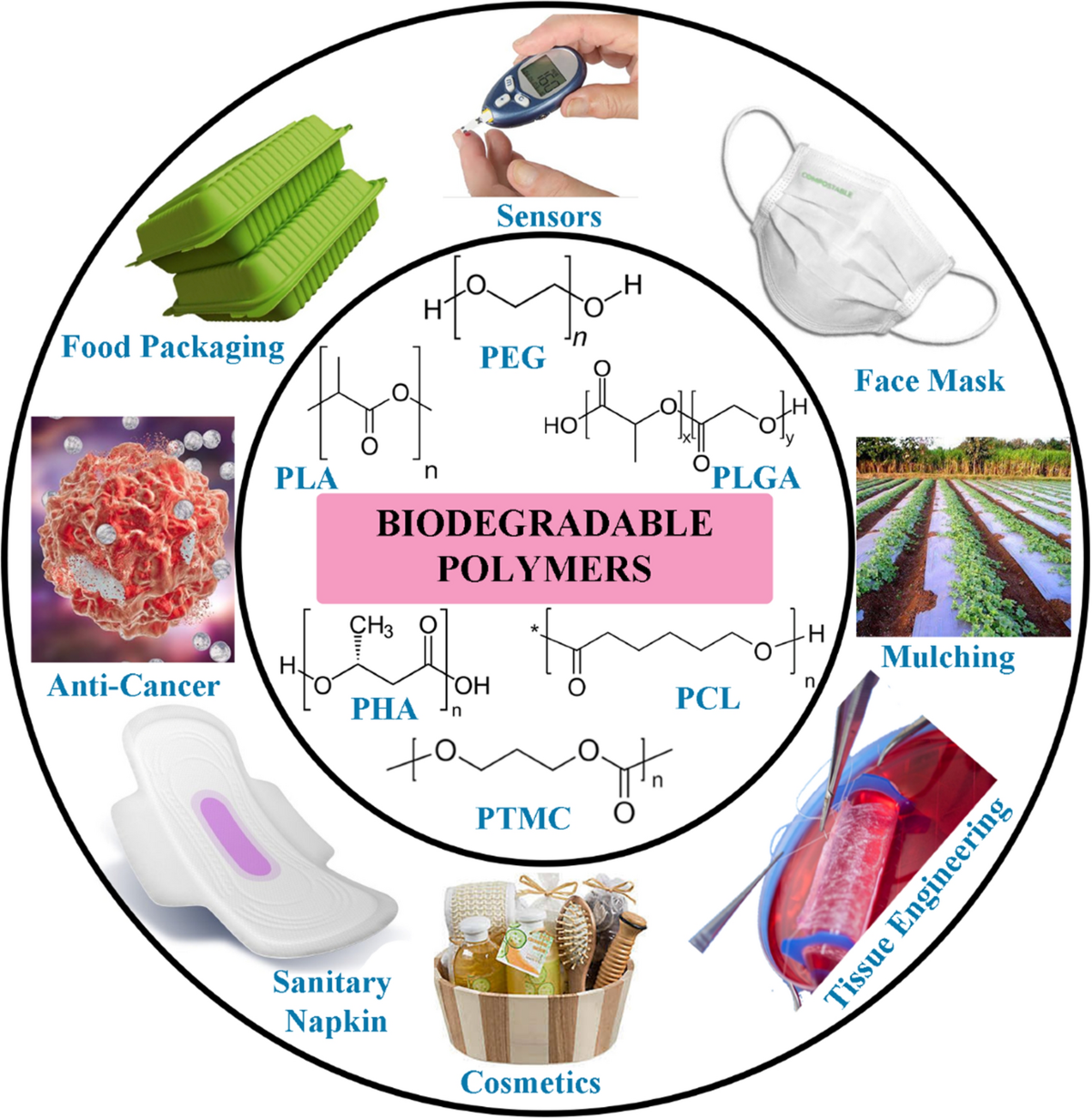
Unlike metallic nanostructures such as gold nanorods, which pose potential long-term health risks, PLGA is fully biodegradable and FDA-approved. The research team recognized an opportunity to create a biocompatible thermal mechanism, capitalizing on the unique behavior of water when confined in nanoscale polymeric pockets.
Academic Curiosity Sparks Innovation
During a sabbatical semester at Stanford University, Tian deepened her understanding of neuromodulation—specifically, how heat-sensitive ion channels in neurons could be precisely manipulated using NIR light. Inspired by this and building on research from Stanford professor Guosong Hong, Tian returned to Cornell determined to merge her expertise in thermal physics with biomedical engineering.
“If neuronal activities can be triggered or inhibited by local heating,” Tian explains, “then PLGA particles could act as safe thermal modulators in vivo.”
Engineering the Perfect Nanoparticle
To fabricate the heat-generating particles, the Cornell team compared two synthesis routes: single emulsion and double emulsion. The single emulsion method, driven by ultrasound-induced diffusion, proved most effective. This approach produced nanoparticles with smaller water cavities that heated more efficiently—defying conventional thermal physics by heating more rapidly than bulk water.
“The water behaves differently when it’s confined at the nanoscale,” says Tian. “It heats up more effectively, and the PLGA acts like a thermal insulator, keeping the energy localized.”
Implications for Cancer Therapy and Beyond
One of the most exciting applications of this research lies in hyperthermia cancer therapy. By locally elevating the temperature of cancerous tissue, the method can augment traditional treatments like chemotherapy and radiation, increasing their effectiveness without harming surrounding healthy tissue.
Initial in vitro tests confirmed the PLGA particles are non-toxic and do not interfere with key cellular functions. The next phase involves in vivo animal trials to better understand their performance and safety within a living organism.
Other possible applications include precise neuronal control for neurodegenerative disease treatment, temperature-triggered drug release mechanisms, and noninvasive diagnostics.
Collaborative Excellence at Cornell
This cross-disciplinary effort brought together specialists from several departments at Cornell. In addition to Tian, the team included lead author Jinha Kwon, postdocs Prithwish Biswas and Keehun Kim, research associate Chi-Yong Eom, and students Xinzhu Huang, Jaejun Lee, and Jiyoung Kim. The biomedical aspects were guided by Nozomi Nishimura, associate professor of biomedical engineering.
Funding was provided by the McManus Fund at Cornell, with additional support from the Cornell Biotechnology Resource Center and the Cornell Center for Materials Research.
A Safer Future for Thermal Therapies
As the frontier of medicine increasingly intersects with nanotechnology and materials science, this innovation in photothermal biomodulation offers a compelling vision for the future. It merges biocompatibility, precision, and safety in a single platform that could transform both diagnostics and therapeutic strategies in the coming years.
For a deeper look into the research, you can access the original article here: Azonano.com article
Journal Reference:
Kwon, J., et al. (2025). Biodegradable PLGA Particles with Confined Water for Safe Photothermal Biomodulation. ACS Nano. https://doi.org/10.1021/acsnano.5c06276
About Quantum Server Networks: We cover the latest scientific advances in materials research, quantum technologies, and nanotechnology. Follow us for deep dives into the future of science and innovation.
#PhotothermalTherapy #Nanoparticles #BiodegradableMaterials #CornellUniversity #MaterialsScience #CancerResearch #NeuroEngineering #QuantumServerNetworks #PLGA #ACSNano #Biomedicine #NanotechRevolution #ThermalTransport #MedicalNanotechnology


Comments
Post a Comment