New Materials and Design Revolutionize Battery Science for Faster Charging and Longer Cycle Life
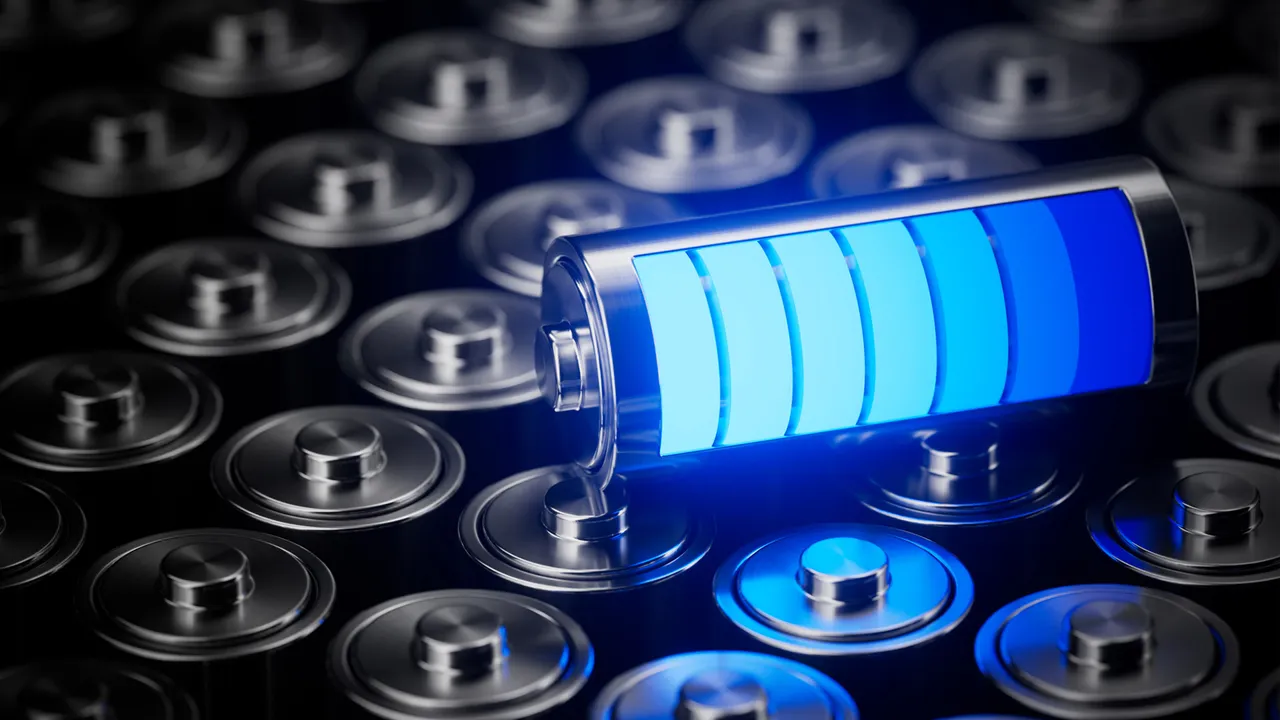
Rechargeable batteries are the unsung heroes of modern technology. From the smartphones we check every few minutes to the electric vehicles transforming transportation, these energy storage systems are central to our daily lives. But as our tech-dependent lifestyles grow, so does the demand for batteries that charge faster, last longer, and perform better.
Conventional lithium-ion (Li-ion) batteries, while reliable, are beginning to show their age. Slow charging times, degradation, and limited cycle life hamper their performance, particularly in high-power-demand settings like electric vehicles (EVs) and large-scale renewable energy systems. To break through these barriers, scientists are rethinking both the materials and the structural design of batteries.
Silicon-Based Anodes: A Leap Beyond Graphite
One key innovation lies in replacing traditional graphite anodes with silicon. Silicon can store up to ten times more lithium ions, enabling much higher energy densities. This could greatly increase the lifespan of portable devices and the driving range of EVs. The main hurdle? Silicon swells and contracts during charging, leading to cracking. Researchers are combating this with nanostructured designs and composite materials like graphene, which buffer the stress and prevent degradation.
Solid-State Electrolytes: Safer and More Efficient
Another leap comes in the form of solid-state batteries (SSBs). These replace the flammable liquid electrolytes found in standard Li-ion batteries with solid materials, often ceramic or glass-like. SSBs enhance thermal stability and ionic conductivity, reducing fire risks and increasing energy efficiency.
A standout example is N2116, a new solid-state electrolyte discovered by a collaboration between Microsoft and the Pacific Northwest National Laboratory (PNNL) using AI and supercomputing. This material could cut lithium use by 70%, addressing both cost and sustainability concerns. Thanks to machine learning, researchers screened 32 million compounds in under a week—a feat that would have taken decades otherwise.
The AI Advantage: Accelerating Innovation
AI doesn’t just help in material discovery. It also accelerates testing and development by creating "digital twins" of batteries. These models simulate real-world performance and degradation, allowing researchers to fast-track innovations without years of physical testing.
"By integrating AI-guided experiments and digital twins, we can detect early failure signs and engineer batteries with decade-long life spans," notes Dr. Vijay Murugesan of PNNL. This shift could dramatically speed up the commercialization of advanced battery technologies.
Structural Design: 3D Electrodes and Nanotech Coatings
Beyond chemistry, architecture matters. Traditional flat-layered electrodes limit how fast ions can flow. In contrast, 3D microstructured electrodes offer more surface area for ion exchange, cutting charging times significantly. Meanwhile, nanomaterial coatings and separators improve thermal stability, reduce wear, and prevent short circuits.
New cathode structures made from nickel, cobalt, and manganese blends are also proving more resilient, maintaining battery capacity over time. This is essential not only for EVs but also for consumer electronics, grid storage, and aerospace.
The Rise of Sodium-Ion and the Outlook Ahead
While Li-ion will remain crucial, alternatives like sodium-ion (Na-ion) batteries are gaining traction. Sodium is more abundant and cost-effective, making it ideal for grid-scale storage. China’s CATL has already begun mass production, signaling confidence in its potential.
Professor Ying Shirley Meng, a leading voice in battery science, highlights the importance of solvation dynamics, solid electrolyte interfaces, and electrode architecture. "If we suppress parasitic reactions," she says, "we can achieve batteries with decades-long lifespans."
Conclusion
Battery science is at a turning point. With AI-driven discoveries, advanced materials like silicon and solid electrolytes, and smarter structural designs, the future of energy storage is becoming faster, safer, and more sustainable. From smartphones to smart grids, these innovations are set to power the next generation of technological revolutions.
Read the full article here: Technology Networks
#batteryscience #energystorage #materialsinnovation #solidstatebattery #lithiumion #nanotechnology #AIinMaterials #nextgenbatteries #sodiumion #cleanenergy


Comments
Post a Comment